Beta-Amyloid ELISA Kits
Aβ1-40 and Aβ1-42 – AD markers
Alzheimer's disease (AD) is characterized by the progressive accumulation of extracellular amyloid plaques and intracellular neurofibrillary tangles. The most common species, Aβ1-40 and the most causative species of AD, Aβ1-42 constitute the many different Aβ-containing peptides detected in human cerebrospinal fluid (CSF) and/or brain tissue. In addition, studies of circulating Aβ in blood have provided insights into Aβ equilibrium between the brain and the periphery with a few studies associating increased levels of plasma Aβ42 with AD at different stages.
Why quantifying β-Amyloid peptides in biological samples?
Quantification of human, mouse/rat β-Amyloid (1-40) or (1-42) peptide in biological samples including brain lysate, cerebrospinal fluid, plasma or serum marks thus an important aspect in detection, research and therapeutic development in the realm of how common Aβ species confer roles in AD and related neurofibrillar pathology.
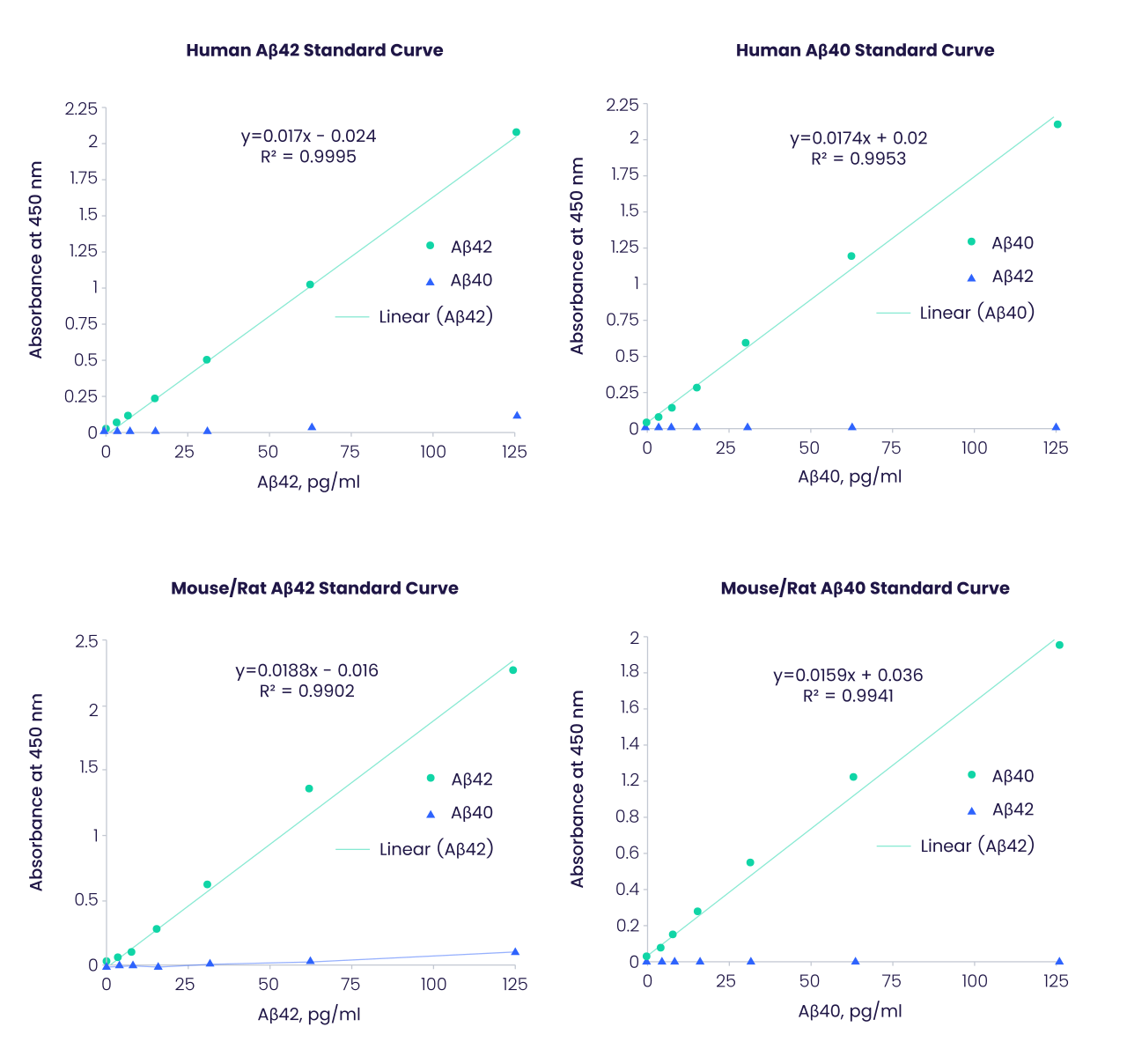
Figure 1. Examples of ELISA standard curves, human (top) and mouse/rat (bottom).